
Behaviour at Pirton Hill
At Pirton Hill Primary School we do not make the assumption that children will know, or automatically develop, valued behaviours, effective learning behaviours or habits to be successful. Therefore, we:
- Define the behaviours and habits that we want to develop (and why they are important);
- Explicitly teach them, providing models to exemplify what valued behaviour looks like;
- Provide sufficient opportunities to practice them; and
- Provide feedback to the children so that they can refine them.
We have developed a behaviour curriculum which includes: the school rules and values; our school routines; the habits of successful students; emotional literacy; how to reflect and learn from mistakes; aspirations and bullying (including online).
The behaviour curriculum is timetabled and taught explicitly. Children should learn the content of the curriculum so that they can recall the information and act upon it. It is expected that all pupils will know this content. This includes:
We believe that the time allocated to this is not only beneficial for the children’s personal development but, when done consistently well, it also has a beneficial impact on the pace of learning and time (during lessons) teachers have to focus on curriculum learning.
We also believe that our behaviour curriculum is an essential part of induction for new pupils and providing an behaviour induction session for them is a priority when they join us.
Behaviour Principles 2026-27
Pirton Hill Behaviour Policy 2025-26
2025-26 Parent Guide to the Behaviour Policy
- 2025-26 Parent Guide to Behaviour Policy.pdf
-
2025-26 Behaviour Policy - Pupil Version
- 2025-26 Behaviour Policy - Pupil Version.pdf
Pirton Hill Home-School Agreement
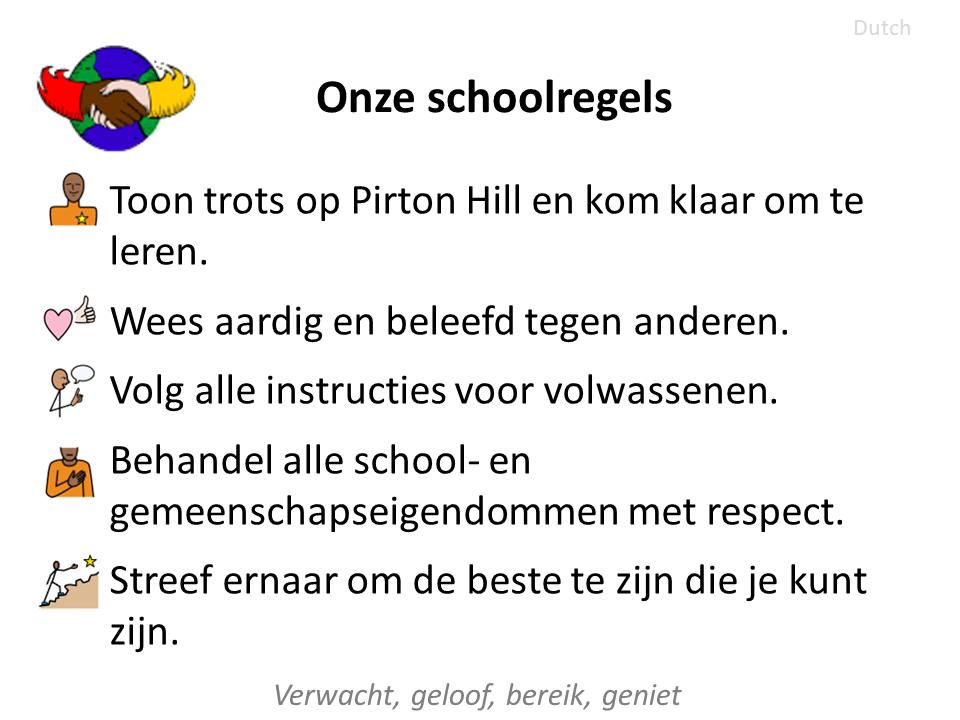
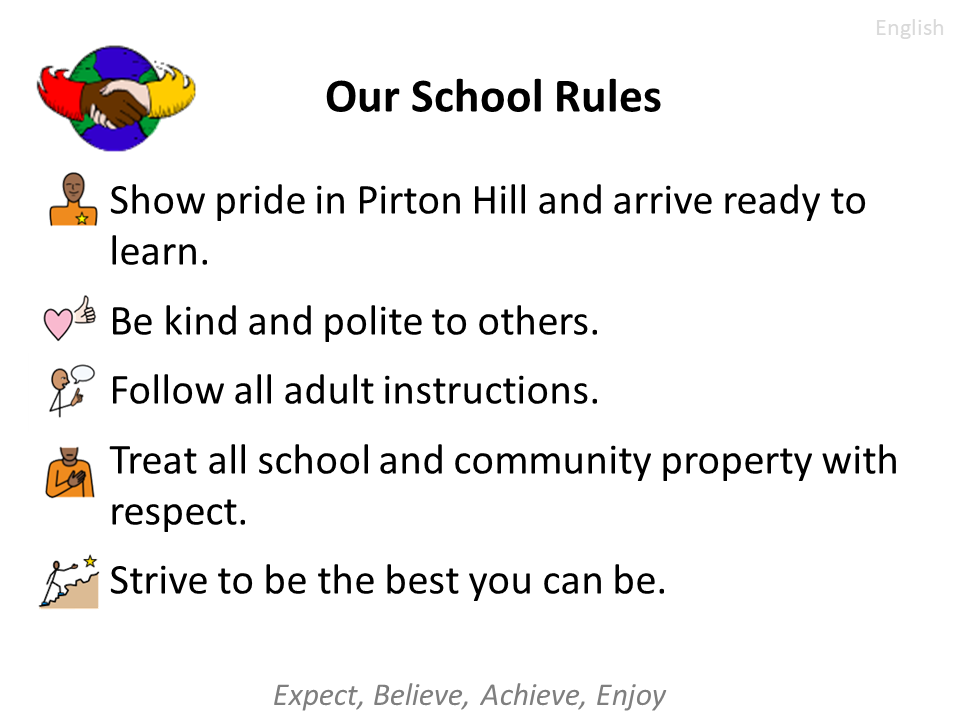
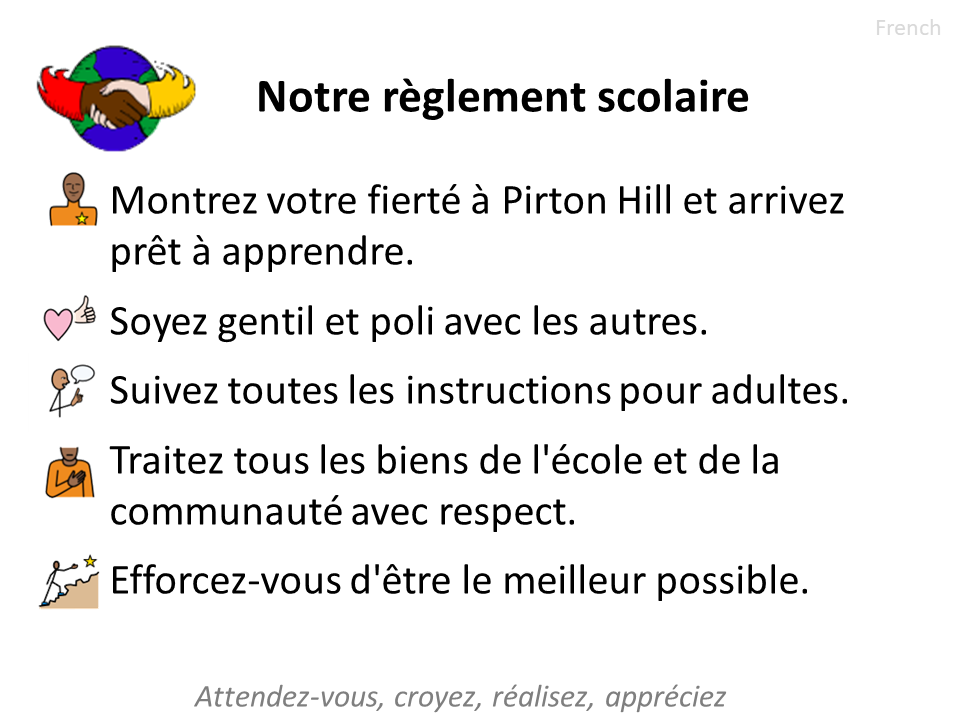
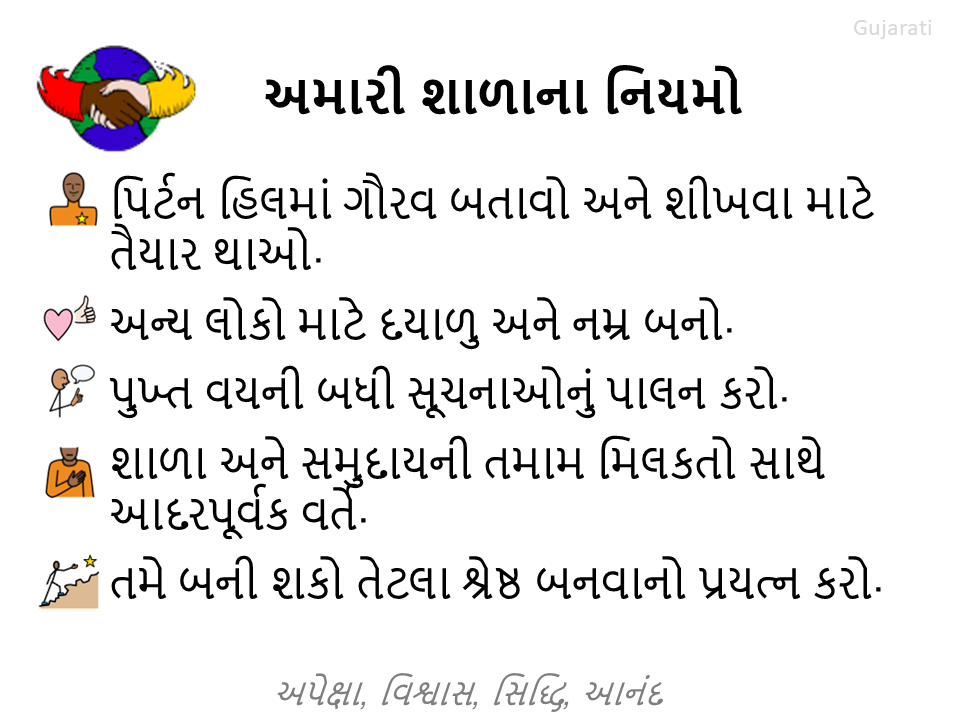
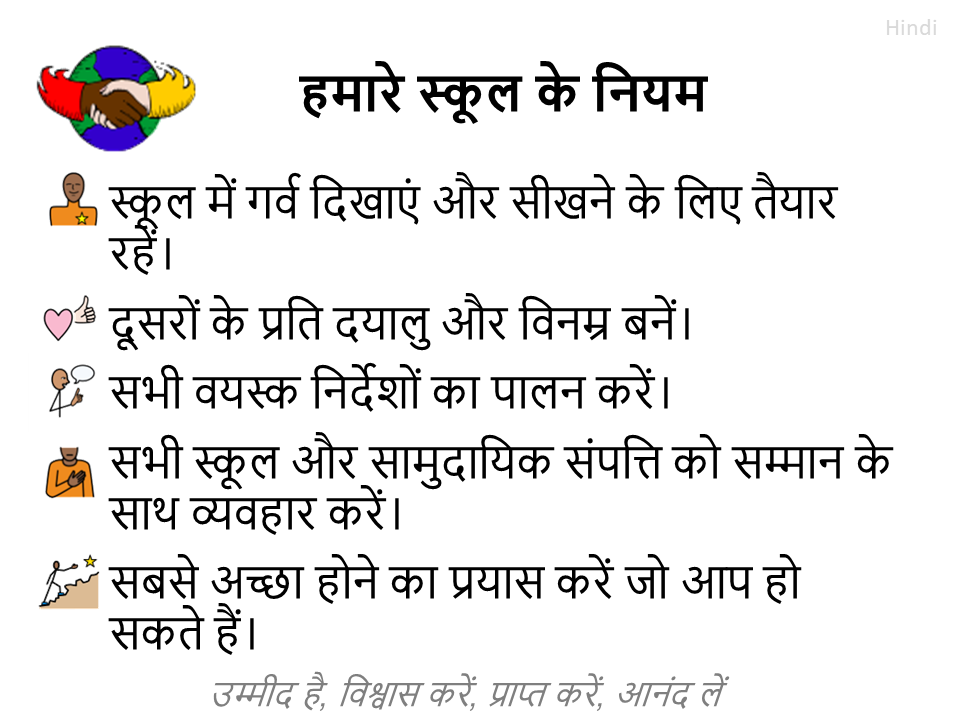
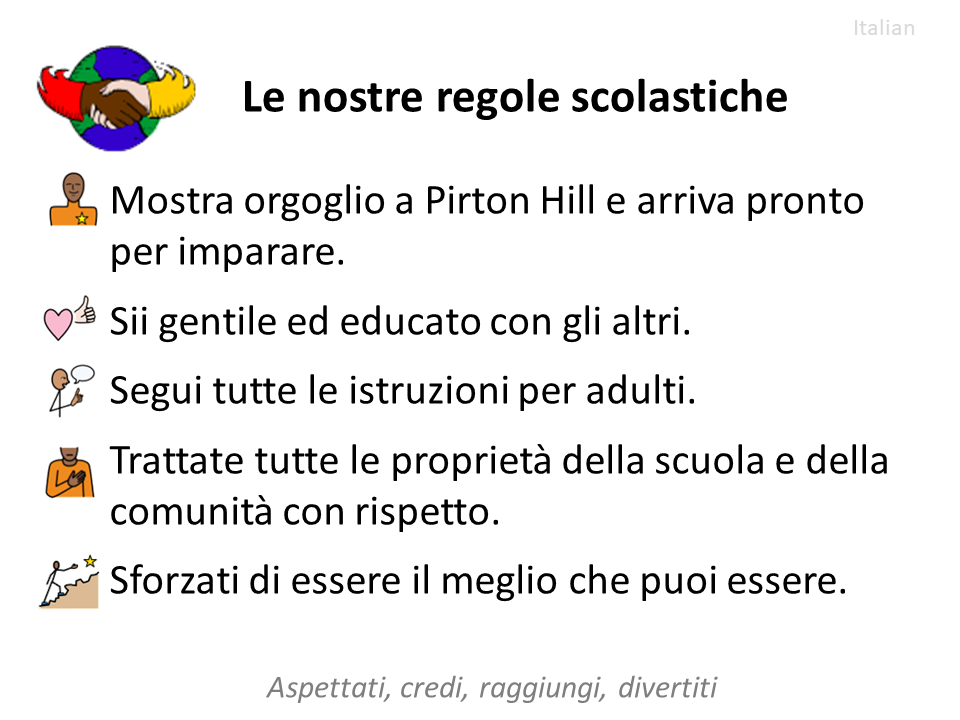
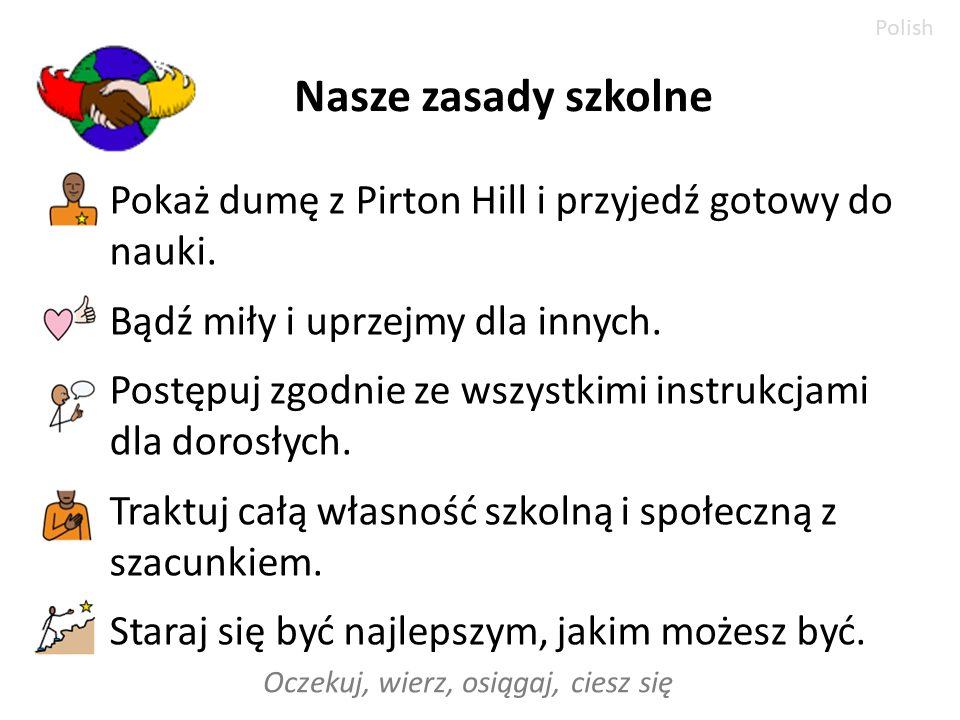
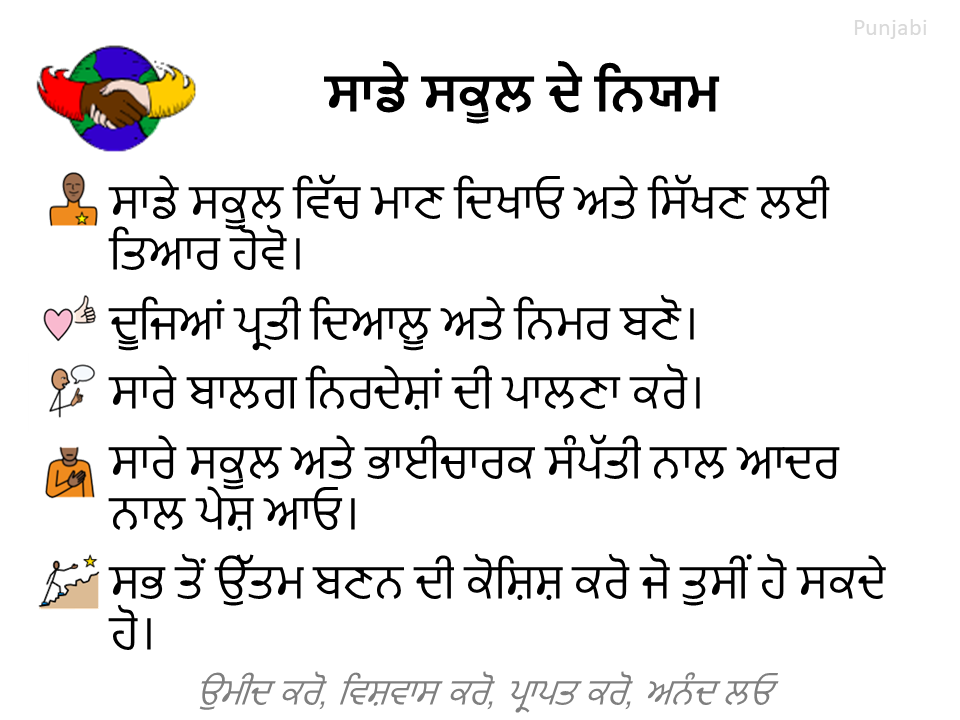
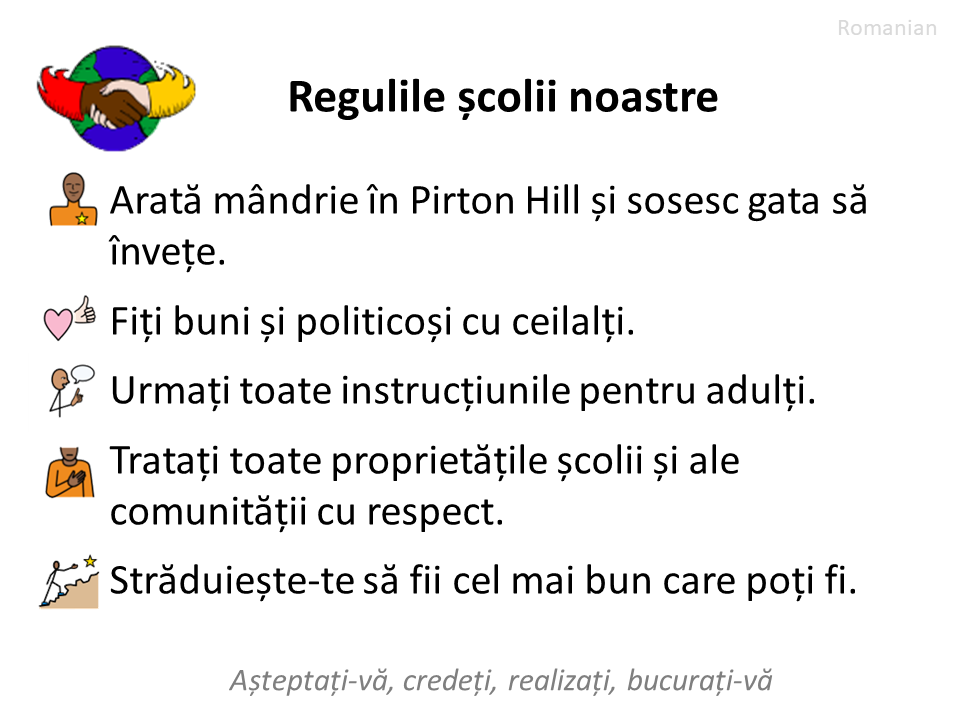
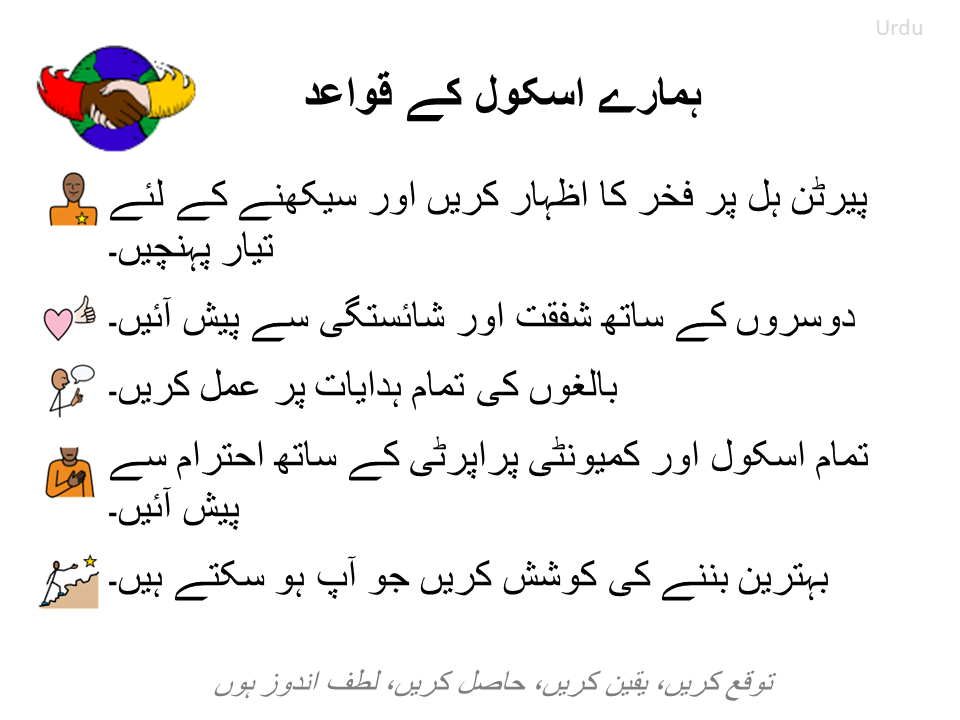
Our School Rules

Pirton Hill Emotional Literacy Curriculum
- PHPS Emotional Literacy Curriculum.pdf
- The Emotional Literacy Curriculum shows the progression in the emotions that we learn across the school
- PHPS Target Emotions.pdf
- The Target Emotions show the 15 emotions that we expect all Year 2 - Year 6 pupils to know, recognise and understand how to manage (in themselves and others). These emotions are part of the reflection process when a child has displayed detrimental behaviours.